

I’m Charlie Hay from Afrikids and this is #MYCHARITY
The WeGiveIt #MYCHARITY series asks heroes, experts, and leaders to share their ambitions, routines and more. It’s published monthly at www.wegiveit.co.uk/blog
This week on the #MYCHARITY series, we speak to Charlie Hay, Ceo of Afrikids
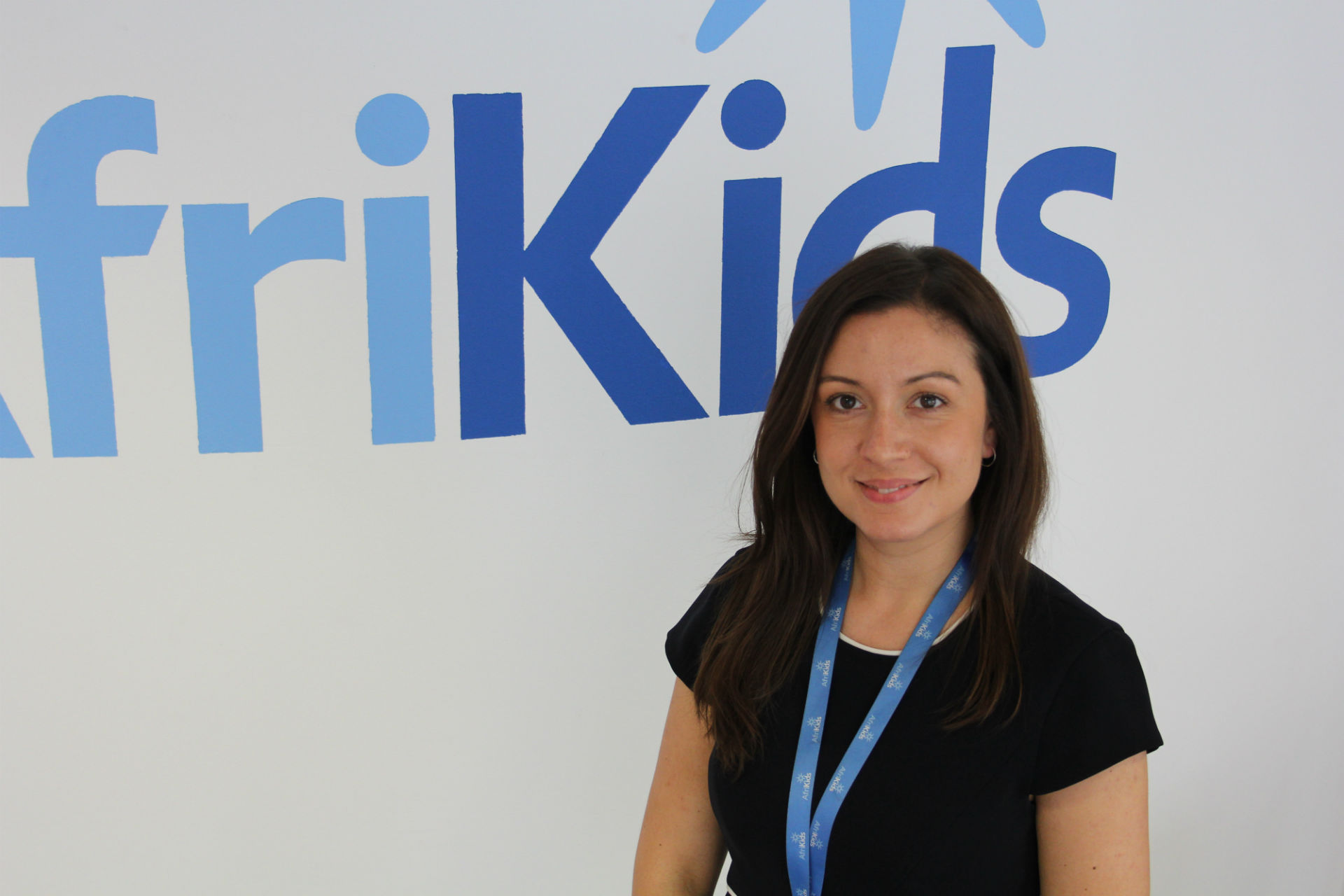
Location: London
Current job: CEO
One word that best describes how you work: Catalystic
Favourite website: Google/Google Earth
First of all, tell us a little about your background and how you got to where you are today.
A VSO volunteering programme took me to northern Ghana in 2009 where I discovered AfriKids (both through volunteering and as a patient at the AfriKids Medical Centre!). I quickly fell in love with this amazing organisation and the incredible work it does changing children’s lives and so when I returned to the UK, I joined the London team as an intern. As part of a small team, I’ve worn many hats over the years, but I was thrilled to became Chief Exec in 2018 and tomorrow will be celebrating my 10th anniversary at AfriKids.
Take us through a recent workday.
No two days are ever quite the same but in the last week I have spent a lot of time on the phone with my colleagues in Ghana working on our ambitious new strategy for 2021-2025 and finalizing budgets and plans for this year; recruiting new staff to the UK team; and having meetings with our wonderful patron Baroness Chalker, a few of our amazing donors and other CEOs/peers/mentors for shared learning and to discuss collaboration.
How do you discover new ways to innovate in your working day?
I make a lot of time to listen and learn from others – reading sector news, meeting peers, catching up with my team, attending workshops and seminars and generally trying to step back and remember “the point” of it all – why AfriKids exists and what else we can do to “make the boat go faster” towards our ultimate goals. My colleagues in the UK and Ghana are phenomenal and we share a genuine passion and commitment to our cause over our organisation, which means there is a really strong culture for trying new things, taking risks and hearing everyone’s ideas for how we can continue to evolve and grow. We have made a lot of big changes over the last couple of years and everyone has really embraced and been a part of them which makes it so much easier to try new things quickly and constantly improve.
What is the next big thing in the charity sector?
I think we’ll see a lot more collaboration and partnership as everyone (in and outside of the sector) is thinking in an increasingly global and integrated way, especially around some of the issues we’re trying to tackle. At AfriKids we’re making this a priority under our new strategy, recognising the value of partnerships across all areas of our work – from funding to programmes delivery – to have an even greater impact and ultimately, to see Ghana able to secure the rights of every child sooner.
How do you measure success?
Big smiles! Our strapline is “bringing big smiles to little faces”, and ultimately our work is successful when children are happy, healthy, safe and in school. But achieving this relies on working effectively with everyone it takes to make real and lasting change possible. The AfriKids team being happy and supported to deliver their best means they give us their best, so I’m really big on training, development, recognition, opportunity and support with work/life balance. My own experience of being encouraged and supported to rise through the ranks at AfriKids has taught me that people are usually capable of more than they realise, given the chance and a bit of faith, so I try to empower my team in the same way and they continuously amaze me (and themselves!). Our donors having an amazing experience with us and our project stakeholders (including communities and children themselves) being involved and valued is also critical to our success and when all of these people – everyone it takes – are happy and actively supporting us, the traditional metrics of success (business KPIs) reflect that.
How do you recharge? What do you do when you want to forget about work?
Big walks, time in nature, cooking, learning new things (I’m a total nerd – courses, talks, exhibitions) and watching what is probably an unhealthy number of murder mysteries.
What are you currently reading, or what’s something you’d recommend?
It’s always my new year’s resolution to read more and so far this year I have read Stephen Fry’s Mythos, Everything I Know About Love by Dolly Alderton and The Bell Jar. None of them work-related but I would recommend them all! And I’m one of the thousands of annoying people who can’t help telling everyone to read Sapiens (if you haven’t, do!)
Fill in the blank: I’d love to see ______ answer these same questions.
Mark Waddington, Hope and Homes
What’s the best advice you’ve ever received?
At work – if you wouldn’t want to see it on the front of a newspaper, don’t do it.
Is there anything else you’d like to add that might be interesting to readers?
We can help you to optimize your Cause Marketing, enhance your Brand Presence and give you targetted education with our Marketing Workshops.
I’m Paola Zancanaro from NamuStore and I’m a #WORLDCHANGERS
The WeGiveIt #WORLDCHANGERS series asks heroes, experts and leaders to share their ambitions, routines and more.
This month on the #WORLDCHANGERS series, WeGiveIt speaks to Paola Zancanaro, founder of NAMU, a wonderful sustainable brand of clothing and accessories for women.
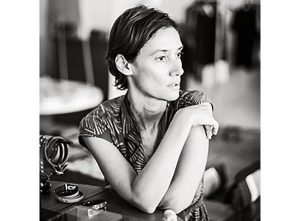
Location: Bali, Indonesia and online
Current job: founder and creative director of NAMU
One word that best describes how you work: sustainable
First of all, tell us a little about your background and how you got to where you are today.
First, I have been working in fashion for the past 20 years organizing events and fashion shows across the globe. I started my career in London working for Vivienne Westwood , where I immersed myself in the world of fashion from marketing to sales. VW is one of the most creative designer in this industry and I truly treasure my experience there. After 3 years at Giorgio Armani working on events I moved back to Italy, my own country and started my career with Prada, which lasted almost 15 years.
During one of my many trips to Asia I decided to relocate to Bali in 2007.
Bali is a creative hub, where you can explore and make your dreams come true working along skilled and passionate artisans
How can you define your business ethical?
My company NAMU was founded in 2009 and since then it showcases our shagreen accessories collection and our Resortwear Collection along with other brands all made in Indonesia.
At NAMU we like to support local artisans and to keep alive traditional artisanal techniques.
Because we are sustainable, we handpick all the brands available at NAMU STORE, which shares the same values that we have.
We do not follow trends but like to offer transeasonal pieces that last forever and can be pass from generation to the next one.
Our philosophy is handmade is luxury, – each handmade piece differs from each other making each item unique and one-of-a-kind.
What motivates you?
Keeping alive traditional artisanal techniques and keep learning from local artisans motivates us every day.
We like to support small businesses and to work with them; they are not our suppliers, they are part of the NAMU family
Tell us about a moment when you knew that it was all worth the hard work
Sitting in my office and hearing our staff talking to clients about the brand and our philosophy!
They are ever so proud of NAMU and they never stop learning about new techniques we work with.
They support the brand as if it is theirs and they are the best Ambassadors of NAMU!

How did your company get involved with a cause or charity partner?
Since I arrived in Indonesia I have been wanting to work closely with an NGO that supports children and education; children are the future and they all deserve to receive an education.
I was thrilled to meet Kartika Soekarno through a dear friend and support her Foundation. The KS Foundation not only supports kids and their education but also mothers with pre-natal care through birth, infancy and early years up to secondary school.
We designed a pouch for the KS Foundation and all sales are donated to the Foundation and its activities.
How do you recharge? What do you do when you want to forget about work?
Yoga and traveling!
Work is always at the back of my mind but I try to combine my passion for traveling with work finding new suppliers and artisans to work with in countries that I love the most.
What book are you currently reading?
What would you have done differently if you knew then what you know now?
Definitely using less plastic, I am trying to embrace a life plastic-free.
Fill in the blank: I’d love to see Kartika of KS Foundationn answer these same questions.
You can buy pieces from NAMU collections in Bali, NAMU STORE or on line NAMU.
We love to interview brands with purpose and listen about their work and their way of giving back. We can help you to optimize your Cause Marketing and your Brand Strategy to reach your profitable and ethical goals.
Have someone you want to see featured or questions you think we should ask? Email Sara
WGDS Favourite Campaigns 2018
As the end of the year is approaching, here at WGDS, we have done our shortlist of our favourite ‘good campaigns’, the ones we found more innovative, creative or disruptive.
Some campaigns are done by charities, some by businesses that want to change the world by giving back. It was a difficult choice as nowadays so many brands are ‘doing good’ and so many charities are making incredible campaigns but… here are WGDS’ top favourites’:
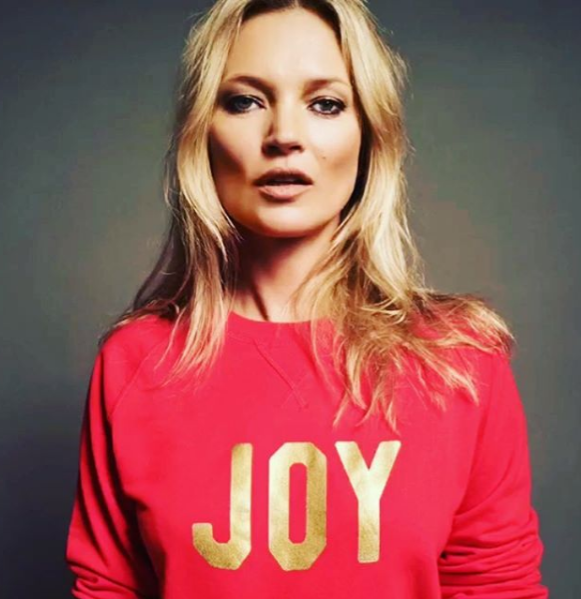
Selfish mother, the ultimate mums’ ‘blogizine’, and soon grown into a successful online store The Fmlystore started in 2014 with their #GoodTees innovative campaign. Every time you buy an adult or child’s #GoodTees design, they donate £5 to their chosen charities. This December 2018 Selfish mother celebrated £1M funds raised in favour of various charities such as Mothers2Mothers, Kids, Women For Women International and many more! The Christmas Collection of LOVE, PEACE, HOPE & JOY jumpers is in partnership with Save The Children. 50 % off each Christmas jumper sold goes to help children in the uk and abroad.


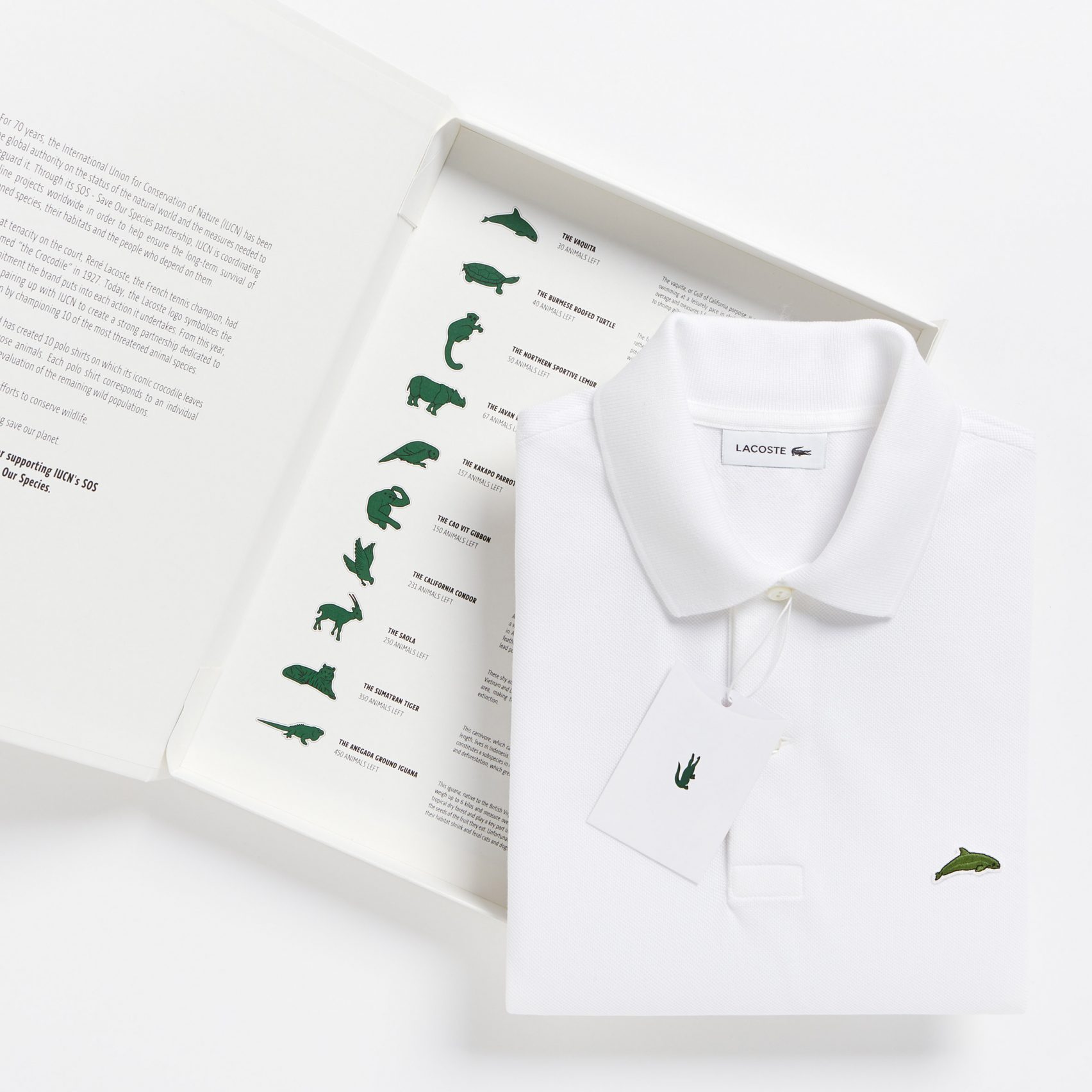
Lacoste, the famous sportswear company, known for the ‘Crocodile‘ logo, decided to leave the logo iconic spot to 10 threatened animal species on a series of limited-edition polo shirts to support in the fight for wildlife conservation worldwide.
The limited edition Lacoste x Save Our Species polo shirts were launched during the Paris Fashion Week on 1 March 2018 and sold out immediately.
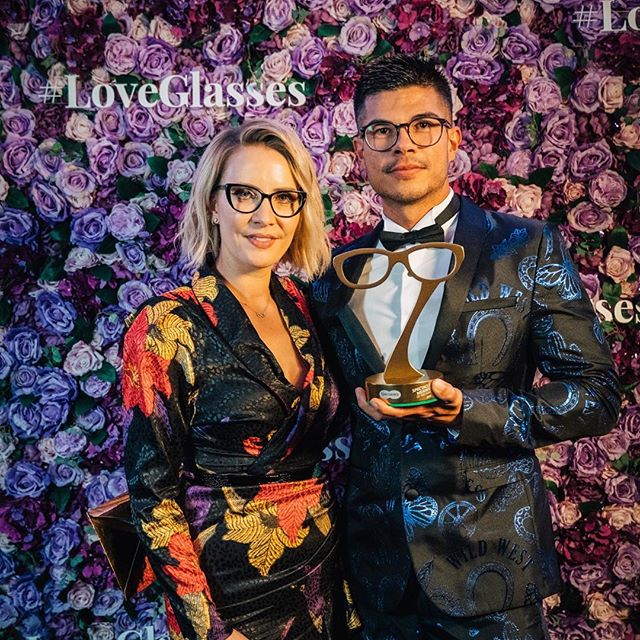
Specsavers was founded at a time when high prices for optical care and limited choice were the norm, and has revolutionised the industry with its innovative concept of affordable eyecare for everyone. Always innovative, also in the way to give back, they have launched this year a competition to choose the Spectacle Wearer of the Year, raising £105.000 for Kidscape Charity.
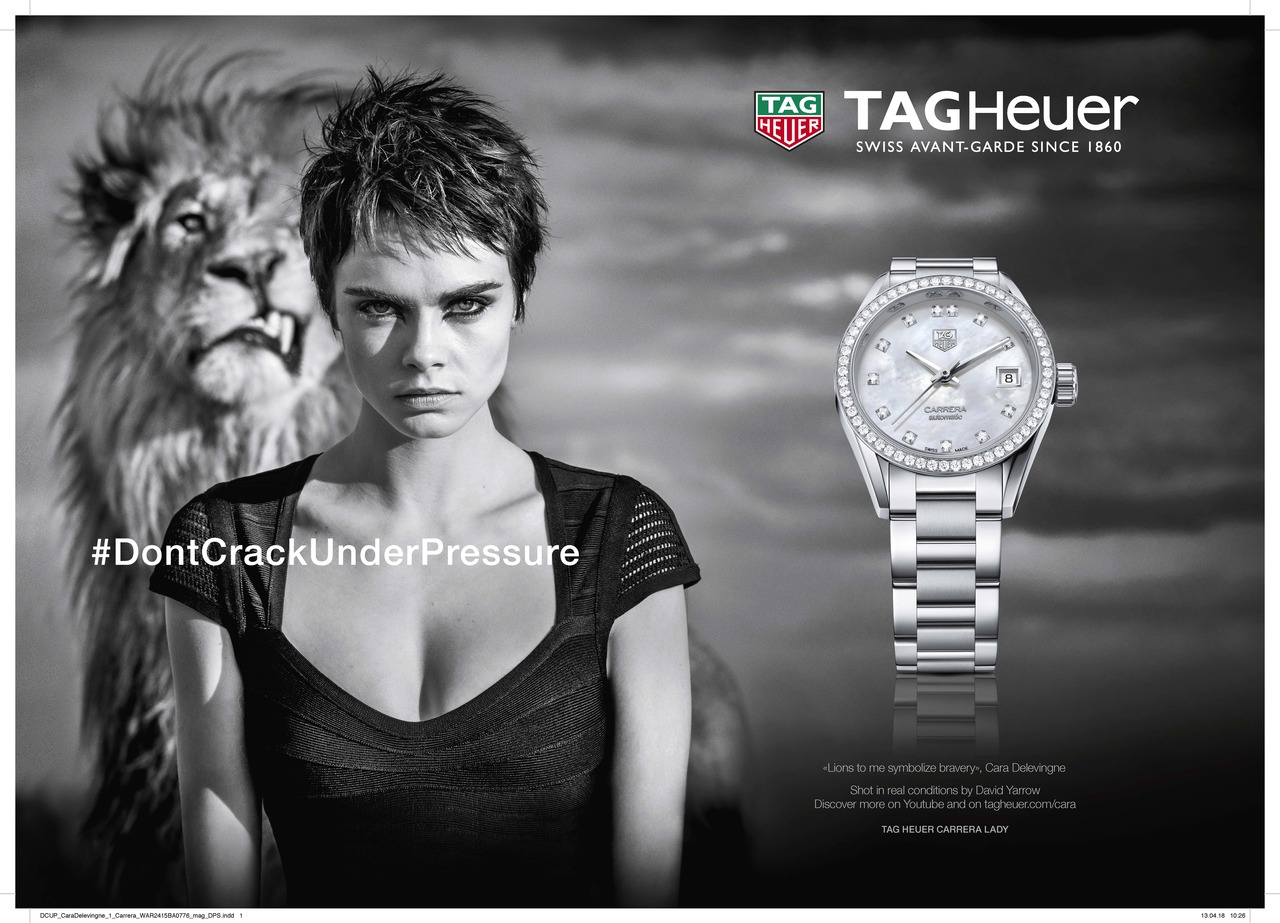
Luxury brand and models together be a ‘world changer’? It is exactly what happened when TAG Heuer, together with the model Cara Delevigne, put for auction the original visual of the “#Don’t Crack Under Pressure” campaign, shot by photographer David Yarrow. £120,000 was raised from the auction, and all proceeds will be donated to the Cara Delevigne Foundation, which works to empower young women around the world.

Last, but not least, Porsche, the prestigious car company, established the Ferry Porsche Foundation to support projects in connection with education and social issues, as well as play an active role in youth development. This year got £2.4m in less than ten minutes auctioning and selling a Porsche’s bespoke Porsche 911 gold, all for the Ferry Porsche Foundation.
I’m Francesca Griffiths from Casa-Londra and I’m a #WORLDCHANGER
The WGDS #WORLDCHANGERS series asks heroes, experts, and leaders to share their ambitions, routines and more. It’s published monthly at www.wegivedigitalservices.co.uk/blog
This week on the #WORLDCHANGERS series, we speak to Francesca Griffiths, founder of Casa-Londra, Trustee and President of NPH UK charity

Location: London
Current job: Property Lawyer, Founder of Casa Londra Limited, Trustee/President of NPH UK
One word that best describes how you work:
Multitasking
Current mobile device:
iphone 7
Favourite website:
www.casa-londra.com
First of all, tell us a little about your background and how you got to where you are today.
I am Italian, grew up in Genoa and moved to London in 1995 with an Italian law degree and the ambition of working in one of the big legal firms in the City. My parents were not keen to have me in London long term. I am an only child, and they wanted me to take the traditional Italian bar exam and settle down in Genoa. They were very surprised when I announced to them that I got a law firm-sponsored position at the College of Law, wanted to live in London and qualify as an English solicitor!
London gave me great opportunities. As a solicitor, I practised in what was one of the leading international law firms called Coudert Brothers, spent a year in their beautiful offices in Paris and specialised in corporate finance. In the meantime, I met my husband Dominic, also a finance lawyer, and we married in 2001 and started a family. With young children, working in a big firm as a corporate lawyer was too challenging, though the hours were crazy…
As I have always loved the London property market, I decided to abandon the finance world, specialise in property law and work as a solicitor in a smaller law firm in the West End with more reasonable working hours. I created an Italian desk and started assisting Italian clients who wanted to invest in the London property market. Property law is a very complex subject in the UK, and my Italian clients feel reassured with me dealing with their transactions and explaining what a leasehold and a freehold are all about!
Whilst assisting my Italian clients in purchasing their London pied-a-terre, I realised that they needed more services, not only the legal support but also assistance with their property search, with the management and letting of their flats after the purchase and sometimes even with the refurbishment and interior design. An Italian real estate agency in London was certainly needed, and in 2009, with a few girlfriends, I started Casa Londra in the sitting room of my house in West London.
Casa Londra now manages over 200 properties in Chelsea and Kensington, all owned by Italian clients. I have two business partners, six employees and a chic little shop on The Old Brompton Road. I feel very lucky as I still practice as a solicitor in Child and Child, a great law firm specialised in property, but I also supervise the various activities of Casa Londra and I consequently have a very exciting and diverse workload every day.
So with two jobs already under my sleeve, I was not planning to take more on board, but NPH UK was a beautiful and unexpected surprise…
Why did you get involved with NPH?
Two years ago, a friend of mine introduced me to Mariavittoria Rava, an amazing person who is the President of Fondazione Francesca Rava NPH Italy. Mariavittoria was looking for an English law firm to create the UK fundraising office for her charity, and I offered to help her on a pro bono basis.
Nuestros Pequenos Hermanos (NPH) is an international charity assisting orphans and abandoned children in Haiti and nine countries in Central and South America since 1954. I was immediately taken by this incredible organisation, which has saved the lives of thousands of children, giving them a family upbringing and great life opportunities. The work carried out by Fondazione Francesca Rava, the Italian fundraising office of NPH, in the last 18 years under the direction of Mariavittoria Rava, touched me deeply. Mariavittoria’s passion and determination to give a better future to disadvantaged children were incredibly contagious, and I realised that it was time to give back and find some time in my life to help others.
NPH UK is now a registered English charity of which I am President and Trustee, together with Mariavittoria and Stefan Grafe. Since the incorporation, we have set up an office and organised three successful events in London: the official launch of the charity at the Italian Embassy last November, a winter ball at Bulgari Hotel in January, followed by a ‘Flower Power’ themed dinner at Sumosan Twiga in May. We raised about £160,000 through these three events, and I am already working on the next occasion, a Christmas Family Ball in a cool Chelsea location… watch this space!
What motivates you?
I am a people person; I love making connections and putting people together through my network of friends.
What is the process for finding your cause or charity partner?
People can access the charity directly through me or the website:
Every child needs a family
Tell us about a moment when you knew that it was all worth the hard work
Preparing the grants for the NPH Homes and the various NPH projects following the London events was certainly the most exciting part of the job. These funds make a huge difference in the lives of the NPH kids. Through a very efficient system of scholarships, many of them can attend secondary schools or universities and end up having successful careers, frequently returning to their home countries to contribute back to the community. There is nothing more rewarding than that.
How do you recharge? What do you do when you want to forget about work?
I love spending time with my family. I have three gorgeous children aged 9, 12 and 16, and I always try to have quality time with each of them. London is a very hectic place, and we often escape to our holiday home in Santa Margherita Ligure, the place where I grew up and where my roots still are.
What book are you currently reading?
Il Giardino dei Finzi Contini by Giorgio Bassani. A few days ago, I gave it to my daughter as I loved reading it when I was her age. She hasn’t opened it, but I am glued to it like thirty years ago!
What would you have done differently if you knew then what you know now?
I would have got involved in charity work earlier in life. For many years, I worked so hard on my career, the company, … I should have been less selfish! There is always a bit of time in everyday life to help others.
Fill in the blank: I’d love to see Mariavittoria Rava, President of Fondazione Francesca Rava NPH Italy (a real world-changer!), answer these same questions.
Francesca Griffiths
Managing Director Casa-Londra
We love to interview people who work hard but find some time to give back to society. We can help you to optimise your Brand Strategy to reach your profitable and ethical goals
I’m Nick Hart from Turner and I’m a #WORLDCHANGER

The WeGiveIt #WORLDCHANGERS series asks heroes, experts, and leaders to share their ambitions, routines and more. It’s published monthly at www.wegiveit.co.uk/blog
This week on the #WORLDCHANGERS series, we speak to Nick Hart, Head of CSR for Turner, the company behind CNN, Cartoon Network & TCM

Location: Soho, London
Current job: Head of CSR for Turner, the company behind CNN, Cartoon Network &TCM
One word that best describes how you work: Helping
Current mobile device: iPhone, iPad and iPod
Favourite website: Spotify
First of all, tell us a little about your background and how you got to where you are today.
I started in an editorial on a movie magazine and moved through various TV companies doing publicity while also getting involved with the production and putting on events. I came to Turner to look after publicity for the entertainment channels and linked Cartoon Network with several children’s charities. At the same time I set up a short film festival with some well-known directors and actors and so this experience of helping young people’s careers and the charity links meant it was a short step into CSR.
Why did Turner get involved with your ActionAid?
We get involved with a lot of organisations as we have very diverse output and offices throughout EMEA. We pick ones which relate to our output and/or our locations so work with a lot of children’s charities, schools, homeless and environmental organisations. For several years we have been working with ActionAid to build schools in Africa which is a project that our staff from around EMEA get involved in. As well as fundraising all the money for the project they spend a week living in a remote African village helping the builders and getting to know the local people which is always an unforgettable experience. So far we have provided buildings in nine countries and are about to go to Zambia to build a pre-school.
What motivates you?
It’s very exciting when you realise that by using your assets you can make a big difference. Our assets are our people who all have paid volunteering time, our channels, websites, cartoon characters, presenters and expertise. So for example, we can donate airtime or web banners for a charity to fundraise, give the rights for an organisation to use one of our famous cartoon characters to front a campaign, encourage our staff to use their skills mentoring young people or send a team of volunteers to paint cartoon characters in a playground.
What is the process of finding your cause or charity partner?
Our strategy is to work with a broad range of organisations working in a variety of areas and therefore we don’t have the pressure that companies have when they just have one charity of the year. This allows us to test the water with new organisations to find which aspects work for both of us and often they grow and prosper in ways that no one imagined at the start. When new organisations contact us we look for the synergies and work out what we can offer and what the links are, but it is different in every case.
Tell us about a moment when you knew that it was all worth the hard work
There have been several small things that we have done that really brought that home to me. The one I will never forget is when we were in Rwanda building a school there was a young boy who always stood at the back of the other children, didn’t join in and covered his mouth. He had been born with a very disfiguring cleft palate and as soon as the volunteers knew this we organised and paid the surgery which completely changed his life. At the other end of the scale, we built a school in Mali to replace a grass hut which housed over 100 children. The local government was so impressed that they built another building and put in playing fields, so what had been one primitive shack now looks like a western primary school.
How do you recharge? What do you do when you want to forget about work?
I love the sea and the countryside and go to the south Cornish coast as often as I can. It’s wild and unspoiled, miles from anywhere, there are great beaches and walks, friendly people, lovely pubs and not much phone coverage so it’s perfect.
What book are you currently reading?
Ernest Hemingway’s short stories. He writes very succinctly but somehow describes people and situations better than anyone.
What would you have done differently if you knew then what you know now?
I would have moved into the CSR world earlier although my varied background and experience are very useful in doing this job.
Fill in the blank: I’d love to see Miranda Harman from ActionAid answer these same questions.
The WeGiveIt #WORLDCHANGERS series asks heroes, experts and leaders to share their ambitions, routines and more. It’s published regularly at www.wegiveit.co.uk/blog.
Have someone you want to see featured or questions you think we should ask? Email Paul
I’m Clive Conway from the Tutu Foundation and this is #MYCHARITY
The WeGiveIt #MYCHARITY series asks heroes, experts, and leaders to share their ambitions, routines and more. It’s published monthly at www.wegiveit.co.uk/blog
This week on the #MYCHARITY series, we speak to Clive Conway, Managing Director of Clive Conway Productions and Chair of the (Desmond) Tutu Foundation UK

Location: London
Current job: Managing Director of Clive Conway Productions and Chair of the (Desmond) Tutu Foundation UK
One word that best describes how you work: Entrepreneurially
Current mobile device: iPhone 8
Favourite website: Amazon
First of all, tell us a little about your background and how you got to where you are today.
As a professional flautist with a wide network of distinguished friends and colleagues in the worlds of music and theatre, I started producing anthology performances during the 1990s. They featured well-known actors like Derek Jacobi, Wendy Craig, Hannah Gordon and Robert Powell and leading writers including the late John Mortimer.
The success of these shows, which brought top-quality performances to regional theatres, inspired me to develop the “An Audience with…” idea. Starting with Tony Benn in 2002, it proved an immediate critical and box office success, filling theatres across the country, particularly in the provinces. The formula blazed a trail that has since been followed with big names including David Frost, Alastair Campbell, Jonathan Miller, Michael Portillo, John Sergeant, Archbishop Desmond Tutu and a hundred others.
I now concentrate my energy on leading the Tutu Foundation UK into new, much bigger projects that attract greater public awareness and I was fortunate enough to win the Third Sector Awards Charity Chair of the Year in October 2016
Take us through a recent workday.
Meditate for twenty minutes, one hour’s flute practice and one hour’s admin at home A two -hour Tutu Trustees minute in the city. El Vino’s in Fleet Street with one of our Trustees for a catch-up and inspiring idea-generating session. More admin. Attending a fascinating whisky tasting event.
How do you discover new ways to innovate in your working day?
By constantly meeting new people and sitting down with them and listening to them. Also meditating and playing the flute generates ideas.
What is the next big thing in the charity sector?
Collaboration between two or more charities on a project. The Tutu Foundation collaborates with the Prem Rawat Foundation, Regent’s University London, Youth Futures, Love Life Generation, Voyage, Brand South Africa, the South African High Commission, the South African Chamber of Commerce, MOPAC, the Metropolitan Police, British Transport Police, City of London Police and others. This enables us all to punch above our weight.
How do you measure success?
Our recent third annual Desmond Tutu International Peace Summit at Regent’s University, London started with Gina Miller, the activist and finished with FW de Klerk the President of South Africa who ended apartheid. In between were speakers of equal knowledge, conviction and profile. You could feel success in the atmosphere and see it in the intent looks on the audience’s faces. It lasted from 9 am until 6 pm and most people were there throughout.
How do you recharge? What do you do when you want to forget about work?
Ideally, sit and drink with friends. Alternatively, watch box sets on television and always the news.
What are you currently reading, or what’s something you’d recommend?
The Gilbert Legacy. It is a marvellous flute tutor book.
What’s the best advice you’ve ever received?
Give to the world the best you’ve got and the best will come back to you. My mother told me this when I was very young.
Is there anything else you’d like to add that might be interesting to readers?
The Tutu Foundation UK was founded in 2007 by the Very Reverend Colin Slee, the late Dean of Southwark Cathedral, and Edith Slee, with the support of their close friends Archbishop Desmond Tutu and Mrs Leah Tutu.
The organisation is founded on the principles of Ubuntu, an African philosophy that emphasises our common humanity – our connectedness and interdependence as fellow human beings. We work with everyone recognising the value in each person.
As Desmond Tutu puts it: ‘My humanity is caught up and is inextricably bound up in yours. We belong in a bundle of life. We say a person is a person through other persons.’
The Tutu Foundation UK and Youth Futures have created a partnership to enable young people, particularly disaffected young people, and the police in boroughs across London to engage in constructive conversations. The conversations are led and facilitated by trained young people. Their purpose is to enable the police and young people recognise the individual humanity in each other, build understanding and respect for each other and so improve community policing.
Ultimately the Ubuntu Round Tables and the philosophy of Ubuntu are tools to re-invent community policing, so that we can all live in more peaceful and collaborative communities.
Building and maintaining peaceful communities involves a good understanding of conflict, as well as the knowledge and skills for effective conflict management. The Tutu Foundation UK has set up the Tutu Foundation UK Mediation Service (TFMS) as well as the Tutu Foundation UK Training Academy (TFTA).
The TFMS panel consists of professionally accredited mediators, comprising leading medical practitioners, senior barristers and practising psychotherapists. This blend of legal, medical and psychological backgrounds offers specialist expertise and the skill to intervene wherever required, for peace-building and resolving conflicts.
Similarly, the TFTA delivers educational seminars, lectures, talks, conferences and training, to equip professionals in all sectors – health, industry, education or commerce – with insights into effective conflict-management skills.
The programmes are designed to provide an additional understanding of the psychology behind the skills, resulting in improved relationships, better communications and understanding of equality and diversity issues, greater efficiency and productivity – and, of course, fewer conflicts.
You can find out more about the Tutu foundation on their site and social feeds: Twitter, Facebook and Youtube
Follow Clive on Twitter and Facebook
We love to interview charity’s leaders and listen about their work and their way to create great partnerships. If you want to learn more if the Purpose-Cause match is effective and well-communicated check out how we can help.
I’m Gemma Malley from BookTrust and this is #MYCHARITY
The WeGiveIt #MYCHARITY series asks heroes, experts, and leaders to share their ambitions, routines and more. It’s published monthly at www.wegiveit.co.uk/blog
This week on the #MYCHARITY series, we speak to Gemma Malley, Director of Communications and Development at BookTrust

Location: London
Current job: Director of Communications and Development at BookTrust
One word that best describes how you work: Open
Current mobile device: iPhone 6
Favourite website: Arts and Letters www.aldaily.com
First of all, tell us a little about your background and how you got to where you are today.
I started out as a business and finance journalist, then moved into education. I was director of communications at Ofsted before having children and carving out a career as a children’s author. I spent a lot of time in schools and it was so interesting seeing the difference in the pupils at schools that really celebrated reading, even those in areas of real social deprivation. Eventually, I started to miss the collaboration of work and was delighted to be able to combine all my passions at BookTrust, the reading charity which ensures that all children are able to experience the life-changing benefits of reading.
Take us through a recent workday.
I drop my three children at school first then make my way to the office; my days are usually a mix of meetings, reading paper and proposals and checking in on campaigns. Our fundraising team is relatively new and we are very entrepreneurial in approach but everything we do is grounded in testing. We know that there are lots of parents out there who are passionate about reading and can see the difference that reading together has made to their own children’s confidence, creativity, school attainment and communication skills. But there are so many children who barely have access to books and reading, who start school a year behind their peers, and who struggle to catch up. Many people want to support our cause; we just need to make it fun and easy for them.
Do you have the magic recipe to balance your personal and work life?
Loving what you do helps enormously, and also accepting that home and work-life can’t be entirely compartmentalised. I often think about work when I’m at home – but equally, I frequently send myself emails during the day to remind myself about the equipment needed for school the next day! I work from home one day a week so I can do school pick up; it’s important that I see my children at school and have a chance to talk to other parents as well as teachers. I also start the day early – I’m regularly cooking shepherd’s pie at 6 am ready for supper. I’m much better in the morning – past 8 pm you don’t get a huge amount of sense out of me.
What is the next big thing in the charity sector?
Trust is going to be key – showing that you are making a real difference in what you do. Also, I think it will be increasingly important to make people feel good about giving. It’s all about experiences and social media these days – feeling good about the choices you’ve made, feeling like you’re doing some good, and having a great picture to share to promote the cause are all very appealing to people.
How do you recharge? What do you do when you want to forget about work?
Hanging out with my children exhausts me in a whole different way and I go by the mantra ‘a change is as good as a rest’. We have huge monopoly-fests; my children are apparently natural born property moguls. I also do barre classes which make me howl because they’re so difficult, but I feel invincible afterwards.
What are you currently reading, or what’s something you’d recommend?
I’m currently reading The Friendly Ones by Philip Hensher which is brilliant. I read as much as I can – I’m the old fashioned person on the train clutching a book, not staring at my phone. And I’m reading Danny the Champion of the World by Roald Dahl to the children at the moment. We read all sorts of books – sometimes a classic, sometimes the latest thing and quite often a book about Ninjas, Minecraft or Lego. The best book is a book that you/your children truly want to read.
Fill in the blank:
I’d love to see my team answer these same questions.
What’s the best advice you’ve ever received?
My mother always used to say ‘what’s the worst that could happen?’ Working that through – the worst scenario and what you’d do – makes it much easier to keep going when the going gets tough.
What is your view on paper books versus digital books? Do you think that the next generation will still read on paper?
I hope so. There’s absolutely nothing wrong with digital books, which can also be enormously helpful to children with some additional needs, but paper books have a soul – you own them and transfer a bit of yourself to them when you read them, folding down corners, making dents in the spine. Children love physical books, and when they read them they share them – cuddling in for a bedtime story, turning the pages together, pointing at things. Whereas no child will share a digital device. Looking at the books on someone’s shelves is such a great way of getting to know them; scrolling through an iPad list just isn’t the same.
You can find out more about BookTrust on their site and social feeds: Twitter, Facebook, Instagram and Youtube
Gemma is on Linkedin.
We love to interview charity’s leaders and listen about their work and their way to create great partnerships. If you want to learn more if the Purpose-Cause match is effective and well-communicated check out how we can help.
The WeGiveIt #MYCHARITY series asks heroes, experts, and flat-out productive people to share their ambitions, routines and more. Have someone you want to see featured, or questions you think we should ask? Email Sara
I’m Carla Jones from Allergy UK and this is #MYCHARITY
The WeGiveIt #MYCHARITY series asks heroes, experts, and leaders to share their ambitions, routines and more. It’s published monthly at www.wegiveit.co.uk/blog
This week on the #MYCHARITY series, we speak to Carla Jones, CEO of Allergy UK

Location: Sidcup Kent
Current job: Chief Executive of Allergy UK
One word that best describes how you work: Committed
Current mobile device: Samsung Galaxy S7 Edge
Favourite website: Allergy UK’s www.allergyuk.org
First of all, tell us a little about your background and how you got to where you are today.
Allergy UK is the leading national patient organisation supporting the 21 million people living with allergy in the UK. We are a small team of 25 with a huge footprint. The organisation has been around 26 years but has quietly got on with its work. I became CEO in May 2015 with a task from the Board of Trustees to drive our mission – raising the profile of allergy – and our vision – for everyone affected by allergy to receive the best possible care.
As a social scientist, my career and interests have focused on how society can work collaboratively to improve the quality of life for all. My interest in allergy and the need to raise awareness of the rights of those living with an allergy comes from a personal place. My own family includes food allergy, atopic eczema, allergic rhinitis, allergic asthma and anaphylaxis – so when I saw an opportunity to lead Allergy UK three years ago I just had to apply. The severity of the allergic disease is still not understood in our society and I want to be a part of raising awareness so that society recognises this serious long-term life condition and the impact it has on quality of life for those living with it.
I haven’t taken a structured pathway in one field of work but have gathered knowledge and experience along the way. I have worked in local government, leading community, social and physical regeneration of socially deprived areas. My earlier academic career involved research and lecturing on topics associated with early years, psycho-social aspects of health and the evaluation of government initiatives aimed at increasing life chances for young children. I have worked in healthcare, including managing a specialist palliative care hospice, working with University students with specific health needs, and nursing in secondary care. This was all preceded by working in the private sector in purchasing, retail and banking. So a mixture of experience which, for a CEO helps – as you need to know a bit about most things with experts in your team to support.
Take us through a recent workday.
I am up at 5.30 am most days, feed the dog, and then have a 90-minute drive to work. Coffee on arrival with a quick refresh on the important list of actions for that day. I usually touch base briefly with the service managers in case they have something they wish to update me on, need to discuss any communications about allergy in the media or raised by our supporters. There are 21 million people in the UK living with allergy and each person’s allergy is different, so Allergy UK covers the breadth of allergy which means we have a wide range of focus on, food allergy, respiratory allergy, pollen allergy, skin allergy, venom allergy, drug allergy, and anaphylaxis. We have multiple projects running at any one time – with a UK wide-reach and a busy team of only 25 staff – we multitask!
Allergy UK is connected to various national, European and global networks and groups that share our objectives. I can be attending a cross-partner meeting with healthcare professionals involved in allergy in Scotland, Northern Ireland, Wales or England, at a meeting at Westminster with MPs from the All Party Parliamentary Group for Allergy, or in Brussels as I sit on a European Board representing patients with an allergy which seeks to influence European policy.
Other parts of my day are focused on our charity’s exciting plans for the future and trying to work out how we might raise the income to be able to achieve more for those we are here to support.
How do you discover new ways to innovate in your working day?
It varies. It might be something I’ve read in an article or book, a comment made by one of the team, a call we’ve received to our Helpline from someone living with an allergy which our Helpline Advisors mention because it’s sparked an idea or something posted on Linkedin. I am lucky as we have a team which shares new innovative ideas all the time. Finding time to think is not always an easy thing – because we are such a small team covering such a large area each day is really busy – but we do bounce ideas off of each other continuously.
What is the next big thing in the charity sector?
As our society evolves our social interaction adapts to new technology and ways of connecting. Historical ways of volunteering, donating and expectations from charities for that donation are changing and our sector needs to be able to continue to provide the excellent work that we do to support others whilst finding innovative ways to raise income to enable us to continue to do this.
Allergy UK has always sought to find diverse ways to raise funds and we raise some of our funding through our own endorsement schemes, the Seal of Approval and the Allergy-Friendly Products. These are independently and scientifically tested products which may be of benefit to people affected by allergy. There is currently no cure for allergy, so our endorsements provide advice to people about useful products which might help alleviate some of the pain and pressures associated with living with allergic symptoms.
However, we still rely on donations to enable us to continue to support those living with allergy. Our Helpline receives 10,000 calls a year and costs Allergy UK £15 an hour to provide this service – so any donations we receive enable us to continue services such as this much-needed advice line.
For us and the charity sector as a whole it’s important we find channels to raise awareness of all the work that we do and people can see why we might need their donation.
How do you measure success?
Our mission is to ensure everyone living with allergy receives the best possible care and a key part of our work is consistent campaigning and networking in the background, meeting with key influencers to try to make changes in society which will help those living with allergy have a better quality of life. So, for me, when this work makes a difference – that’s a success.
Allergy UK led the research and played a key influencing role in the recent changes to legislation which from October 2017 now allow schools to now hold adrenaline auto-injectors. This took nearly three years to achieve – but for children with anaphylaxis this could save their lives in they have a severe allergic reaction at school which requires adrenaline. Success is improving the quality of life for those living with allergic disease.
How do you recharge? What do you do when you want to forget about work?
I am a self-confessed workaholic – especially if I am passionate about something. But everyone needs rest time and I spend mine walking the dog with my husband, losing myself in non-fiction science fantasy genre books – or hanging out with my running buddies.
What are you currently reading, or what’s something you’d recommend?
I sometimes re-visit books that I’ve read before to refresh my thoughts. I’m reading Jim Collins ‘Good to Great’ again – to remind me of the key messages he has on how to move a good company to be a great company.
Fill in the blank: I’d love to see _____ answer these same questions.
Loads more charity heroes – so we can learn from each other
What’s the best advice you’ve ever received?
“Whatever you can do or dream you can begin it. Boldness has genius, power and magic in it”.
Attributed to Johann Wolfgang von Goethe
I find it motivational. Whenever I question myself and my abilities – it always comes to mind.
Is there anything else you’d like to add that might be interesting to readers?
Our Helpline is led by allergy and immunology specialists so please do contact us if you have any concerns or suspect you may have an allergy 01322 619898 – as we are here to help.
Allergy UK’s website www.allergyuk.org twitter Allergy UK
I admit to being hopeless at keeping up with my LinkedIn – but at least I have one ……. https://www.linkedin.com/in/carla-jones-889213135
The WeGiveIt #MYCHARITY series asks heroes, experts, and flat-out productive people to share their ambitions, routines and more. Have someone you want to see featured, or questions you think we should ask? Email Sara
I’m Lindsay Boswell from FareShare and this is #MYCHARITY
The WeGiveIt #MYCHARITY series asks heroes, experts, and leaders to share their ambitions, routines and more.
This week on the #MYCHARITY series, we speak to Linsday Boswell, CEO of FareShare.

FareShare is a network of amazing people, volunteers and staff, who work hard to source surplus food from the food industry and redistribute it to charities. Since 2010 they have gone from 3,600 tonnes passed to 700 charities feeding 35,500 people per day and saving the charities nearly £8 million to now 13,552 tonnes to 7,000 charities, feeding 500,000 people per week and providing more than 28.6 million meals a year.
All done within date, fit to retail food that is surplus in the food industries supply chain.
Location: Deptford, London
Current job: CEO, FareShare
One word that best describes how you work: Passionately!
Current mobile device: Samsung S5
Favourite website: Fareshare.org.uk of course!
First of all, tell us a little about your background and how you got to where you are today.
I’ve worked in the voluntary sector for about 30 years as doing something I really believe in has always been really important to me. My first CEO role was to take the small, underperforming Institute of Charity Fundraising Managers and transform it into The Institute of Fundraising. In my 11 years there, I was totally seduced by the feeling when you create a “win” for literally thousands of charities across all causes and areas. For example, one change to gift aid was estimated to be worth £500 million a year. I’ve always been passionate about waste and recycling and when I was asked to Chair a conference in the Cabinet office looking at charities and businesses working together, and heard about FareShare. I was desperate to work for them. That was on a Thursday and that Sunday I saw the advert for the CEO post.
FareShare at the start of 2011 was under £1 million turnover, supported less than 600 charities and had 13 staff. We now support nearly 10,000 charities and community groups across the whole of the UK and saves those causes more than £30 million a year.
Take us through a recent workday.
Work at the moment is a mix of intense excitement and anxiety. We have massive plans to really scale up in an intense three-year growth spurt. We have secured the foundation support to make this happen but need to really focus if we are to achieve our goals. The number we most focus on is 5%. That’s because we are only redistributing 5% of the food that is in-date and fit to be eaten yet this is enough to feed 500,000 people a week. So my day is part recruitment and getting excited by the amazingly talented and clever people who are coming into join us, partly reassurance, encouraging our 21 Regional Centers that we are right to think big and be ambitious and park boring stuff as I always want to spend any budget we have on feeding more people, so I have no admin support and even type up our board meeting minutes myself.
How do you discover new ways to innovate in your working day?
Instead of getting more set in my ways, I find that the older I get the more “out the box” I am prepared to think. As a result, I read a lot and this sparks great ideas. In particular, I love SOFII, a free website where fundraisers share ideas and their imaginations. I also love the weekly email called Friday 5, from Good Business.
What is the next big thing in the charity sector?
Fighting isolation in the elderly. It’s high time someone comes along and does a “Help For Heroes” to the traditional old age charities. There are millions of elderly people being starved of company, companionship and compassion sitting alone in bedsits or just in their minds. The solution isn’t a few big slow-moving, risk-averse charities.
The other big thing is not in the charity sector at all. We are seeing more and more businesses take on social outcomes and do it much better than charities. In an ideal world I don’t think we should have any charities but all parts of society and especially business, can and will deliver using their scale, clout and professionalism. We need to stop thinking business is bad and charity is good. Life simply isn’t like that.
How do you measure success?
At FareShare it is how much food we get to how many frontline organisations feeding people who are vulnerable and how much that saves these organisations so they don’t just survive but thrive.
How do you recharge? What do you do when you want to forget about work?
I am very lucky and have no difficulty switching off…ignorance is bliss! My favourite pastime is gardening and growing as much food as I can.
What are you currently reading, or what’s something you’d recommend?
“Uttermost Part of the Earth” by E Lucas Bridges. It’s the autobiography of a man born in the Falkland Islands in 1874 on his way to Tierra Del Fuego with his missionary parents, who grow up with the local Indians speaking only their language, who then becomes a multimillionaire sheep farmer having cleared hundreds of thousands of hectares and still feels the need to fight in the trenches at Passchendaele for a country he does not know. The only reason it has never been made into a film is there is no one suitable to play Lucas Bridges. Extraordinary life.
Fill in the blank: I’d love to see _____ answer these same questions.
Tanya Steele at WWF
What’s the best advice you’ve ever received?
Lindsay, in life there are easy solutions and there are tough solutions……the easy ones are almost always wrong.
Is there anything else you’d like to add that might be interesting to readers?
I think I have bored them enough already!
You can follow Lindsay on Twitter, LinkedIn and find out more about his charity, FareShare here
We love to interview charity’s leaders and listen about their work and their way to create great partnerships. If you want to learn more if the Purpose-Cause match is effective check out how we can help. If you want to improve your digital online presence, check our brand strategy service.
The WeGiveIt #MYCHARITY series asks heroes, experts, and flat-out productive people to share their ambitions, routines and more. Have someone you want to see featured or questions you think we should ask? Email Sara
I’m Meredith Niles from Marie Curie and this is #MYCHARITY
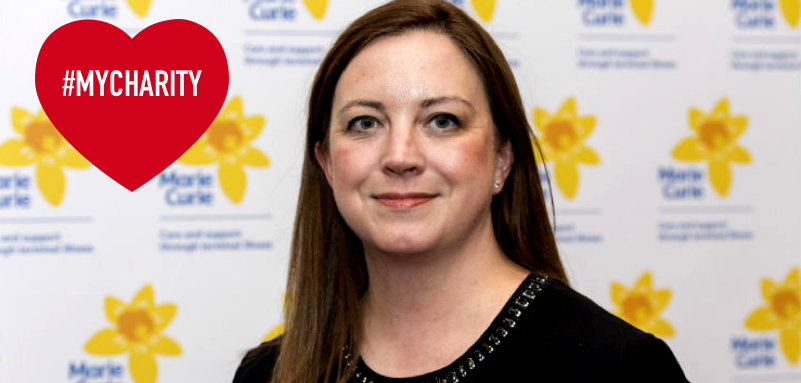
The WeGiveIt #MYCHARITY series asks heroes, experts, and leaders to share their ambitions, routines and more. It’s published monthly at www.wegiveit.co.uk/blog
This week on the #MYCHARITY series, we speak to Meredith Niles, Executive Director of Fundraising and Engagement at Marie Curie.

Meredith began her career in investment banking, working in New York, Frankfurt and London for Goldman Sachs, where she was latterly an Executive Director covering the Consumer and Retail industry. Meredith moved into the voluntary sector, working as an Investment Director at venture philanthropy funder Impetus-Private Equity Foundation, where she co-led the development of its first sector-specific fund, dedicated to helping charities working to reduce re-offending scale their impact. After the fund was successfully closed, Meredith joined the terminal illness charity Marie Curie, initially to set up a Fundraising Innovation department, before assuming her current role as Executive Director of Fundraising and Engagement. We talked to her about her daily schedule, how she discovers innovation in the sector and how she measures success.
Location: London
Current job: Executive Director of Fundraising and Engagement at Marie Curie UK
One word that best describes how you work: Late (I am a natural night owl!)
Current mobile device: iPhone 6
Favourite website: The Atlantic Magazine website
First of all, tell us a little about your background and how you got to where you are today.
My parents were always very engaged in our community, and I was tagging along and volunteering alongside them for as long as I can remember. From an early age, I knew I wanted to have a career that allowed me to make a social impact, but initially, I wasn’t sure how best to go about it. My university career office suggested that I get some “business experience” before moving into the social sector, so I went to Wall Street. Eventually, I made the transition to the voluntary sector, and I haven’t looked back!
Take us through a recent workday.
I usually arrive by 8:30 after dropping one of my children off at school. I try to spend the first 30 minutes of the day focussing on what I want to achieve rather than diving straight into email and being governed by my inbox (which is full of what other people want me to focus on!). Most days are full of meetings, but I try to carve out some space for reflection every day; some days, that is harder than others. I also try to find time to praise and/or thank at least 3 people every day – whether that is through a private note, a quick chat, or a social media post. I typically finish up at the office between 5 and 6:30, and about two days a week, I head from there to an evening function – whether that’s a non-profit board meeting or a Marie Curie donor event. The rest of the week, I head home to spend time with my family, then I do a bit of reading before bed.
How do you discover new ways to innovate in your working day?
I read a lot and am always seeking insight into how I can be more productive and effective. I have been very impressed with Daniel Pink’s body of work in this area: Drive and more recently When have both impacted how I think about my work.
What is the next big thing in the charity sector?
I think there is an ongoing trend towards charities diversifying away from a pure reliance on voluntary donations. Donations (and donors!) will continue to be vitally important, but I think as the scale of demand for charities’ services continues to increase faster than the rate of increase in voluntary donations, charities are increasingly going to look for further ways to grow their income. I think the concept of “value exchange” will become increasingly important in charity income generation.
How do you measure success?
Professionally, I measure success in terms of results: have my teams and I accomplished the goals (financial and non-financial) that we’ve set ourselves? Personally, I measure success in more qualitative terms: do I still feel like I’m learning/making progress? Am I (and are the people closest to me) happy?
How do you recharge? What do you do when you want to forget about work?
I love to go for long walks. I’m also a big fan of theatre and live music, and I try to get to as many shows as I can.
What are you currently reading, or what’s something you’d recommend?
I’m really into behavioural science and what charity leaders can learn from this area. The best book on behavioural economics is definitely Daniel Kahneman’s Thinking Fast and Slow, and I am looking forward to Bernard Ross’s forthcoming book on applying behavioural insights to the social sector.
Fill in the blank: I’d love to see _____ answer these same questions.
A charity donor
What’s the best advice you’ve ever received?
You can’t do everything so focus on what you are uniquely positioned to do that will make the greatest difference.
Is there anything else you’d like to add that might be interesting to readers?
You can follow Meredith on Twitter, LinkedIn and find out more about her charity, Marie Curie here
The WeGiveIt #MYCHARITY series asks heroes, experts, and flat-out productive people to share their ambitions, routines and more. Have someone you want to see featured or questions you think we should ask? Email Sara